The 6 stages of product development
24/04/2023
Developing a product is a thrilling process that can lead to something genuinely innovative and useful. From generating the idea to bringing it to market, every stage brings its own challenges and opportunities.
Developing a product is a thrilling process that can lead to something genuinely innovative and useful. From generating the idea through to bringing it to market, every stage brings its own challenges and opportunities to refine the product. In an increasingly competitive world, where consumers demand products that are useful, appealing and high in quality, product development is a crucial process that can decide whether a company succeeds or fails.
Generating the idea
This is the first stage. The aim is to identify a need or problem in the market and find a way to solve it. It is a creative process that can be shaped by analyzing consumer behavior, researching trends or even a chance flash of inspiration. Once a promising idea surfaces, it is examined in depth to assess its potential, pinpoint obstacles and weigh up whether the project makes economic sense.
Defining the product
Here you establish the product's purpose, its target audience, its business model, its budget and its objectives, and you run a market analysis that studies potential demand and identifies the main competitors. You also define the features, the functionality and the estimated price. It is an iterative process: as you learn more about the market, you adjust the original concept.
Building the prototype
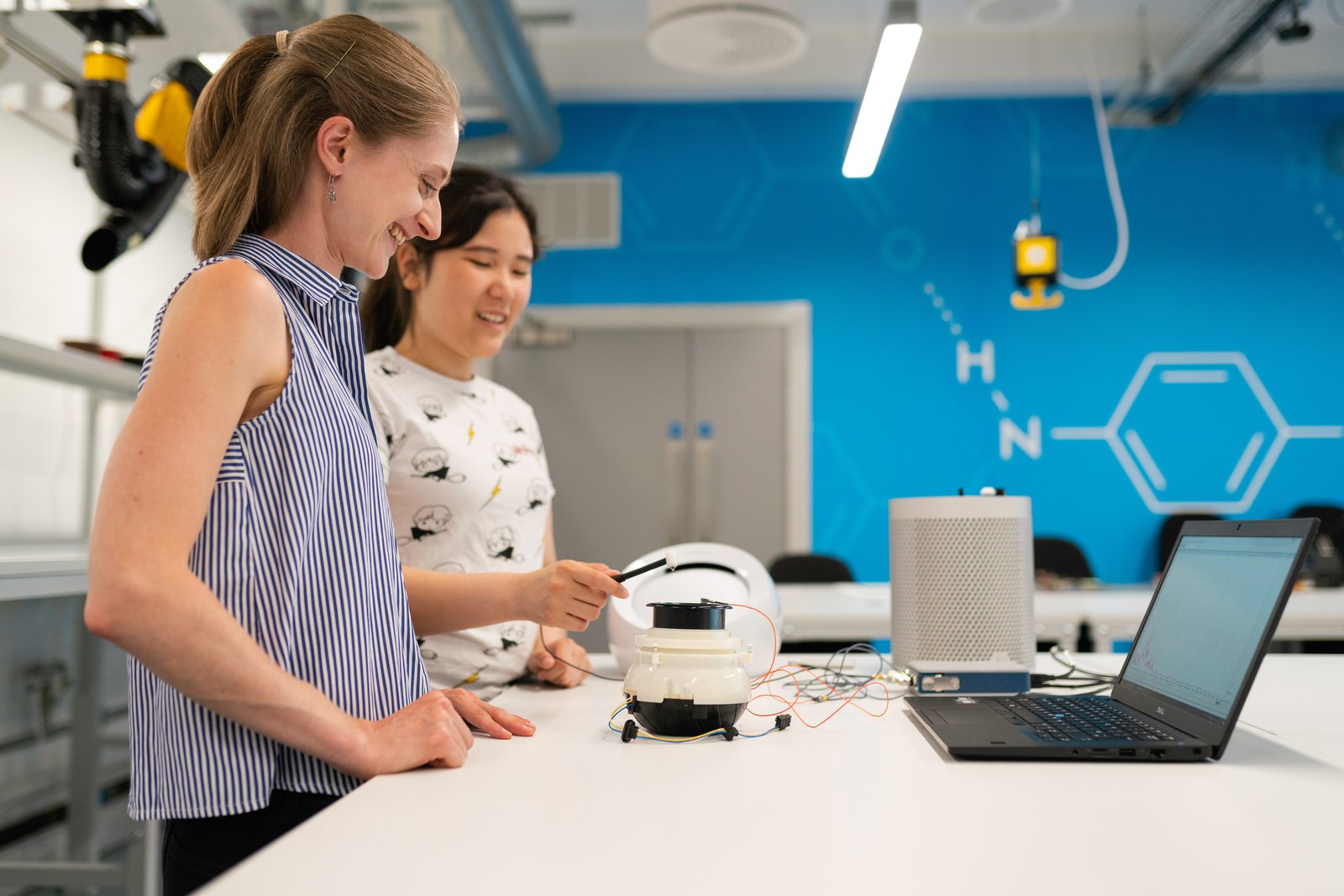
A preliminary version of the product is created to test how it works and how it looks. The prototype can be basic, but it has to be representative enough to allow a real evaluation. This is where early testing happens, to spot issues and make adjustments. Its quality can have a significant impact on the success of the final product.
Initial design
With the prototype in hand, the final product is designed: appearance, materials, colors and functionality. It pays to have a team of expert designers who can guarantee a design that is both attractive and functional. Several iterations may be needed to reach the desired result, since design has a major influence on how the customer perceives the product.
Validation and testing
Thorough testing is carried out to make sure the product meets every specification, ideally in real-world situations and drawing on the input of both experts and consumers to assess the user experience. This is a crucial stage: it lets you catch problems before launch and confirm that the product lives up to expectations.
Bringing it to market
Finally comes mass production and distribution to the market. It is important to have a solid marketing strategy to get the product in front of its target audience, a suitable pricing structure and an efficient distribution network. Its success depends largely on the quality of the product and the marketing strategy behind it.
Product development is a key process for any company that wants to offer high-quality products and meet its customers' needs. It has to be carried out carefully and strategically, with a team of experts and a genuinely customer-centered focus.