From Concept to Market: How Neurafy Designs and Develops Innovative Prototypes
13/01/2025
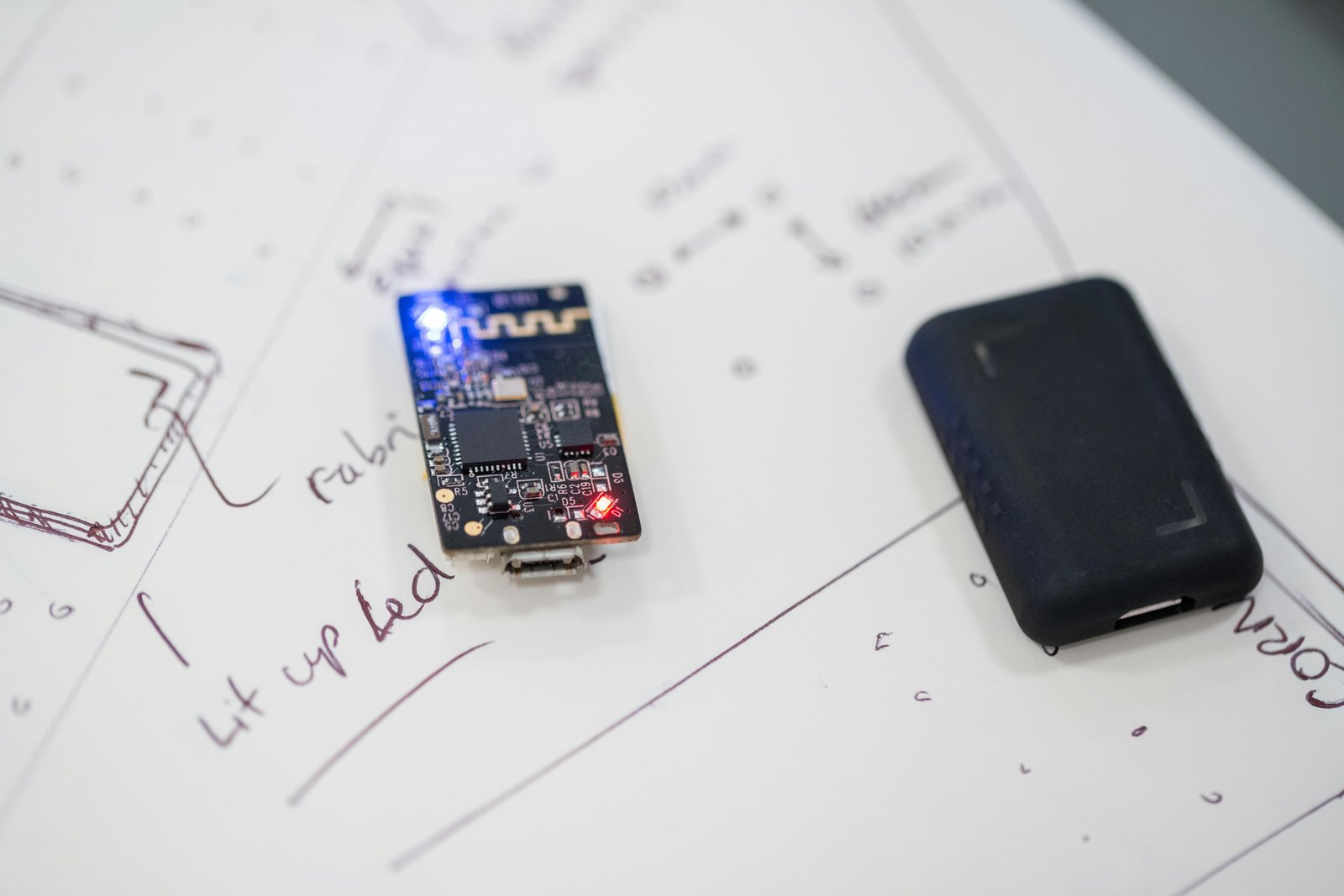
The innovation process is neither linear nor simple. It involves turning an abstract idea into a tangible product capable of making a meaningful impact on the market…
The innovation process is neither linear nor simple. It involves turning an abstract idea into a tangible product capable of making a meaningful impact on the market. At Neurafy we stand out for our ability to take disruptive ideas and turn them into real technological solutions that solve specific problems across a range of industries. From the initial concept to the development of functional prototypes, we follow an approach that prioritizes quality, sustainability and adaptability to client needs.
Product development times have shortened considerably, but this shift must not come at the expense of quality or innovation. Companies that want to stay ahead need to build prototypes quickly, yet always with a controlled process that ensures every product is functional and viable. We have refined this process through our own methodologies, which allow us to iterate quickly during development, testing, validating and adjusting the prototype as it moves forward.
One of the most notable aspects is the integration of emerging technologies (artificial intelligence, the Internet of Things (IoT) and big data) into the prototypes. This improves the efficiency and profitability of products and gives them added value in connectivity, automation and decision-making. We do not stop at building functional prototypes, we make sure they are scalable, sustainable and adaptable to a variety of platforms and sectors.
From idea to product: a journey of innovation
The conceptualization phase is the essential first step. We work closely with the client to fully understand their needs and the problems they want to solve, refining the details of the initial idea and incorporating the most suitable technologies. Rather than following a rigid, linear process, we adopt a flexible approach that adjusts to the client's needs as the project advances, building in constant reviews and improvements throughout the prototype's life cycle.
Bringing in emerging technologies such as AI, IoT or big data allows products to be smart and capable of making autonomous decisions, while also improving their efficiency and connectivity. A clear example is the development of products for smart cities, where we apply advanced technologies to optimize urban services such as traffic control, energy management and infrastructure monitoring.
Another key aspect is designing scalable products, ensuring that prototypes can grow and adapt as the market evolves without requiring complex redesigns. In logistics, for instance, we have developed solutions that improve the efficiency of supply chains. Continuous validation is also critical: we work closely with clients to run tests and gather constant feedback, spotting areas for improvement early and avoiding costly mistakes. And we place a strong emphasis on sustainability, with the use of sustainable materials, the optimization of energy consumption and the minimization of environmental impact.
The speed with which we take a prototype from initial idea to market is what allows our clients to stay ahead of the competition. In sectors as diverse as healthcare, logistics and automotive, we have shown how to turn disruptive concepts into viable commercial solutions, ready to take on the challenges of the future. By delivering tailored, scalable, high-quality solutions, we position ourselves as a key strategic partner for companies looking to turn their ideas into successful realities.